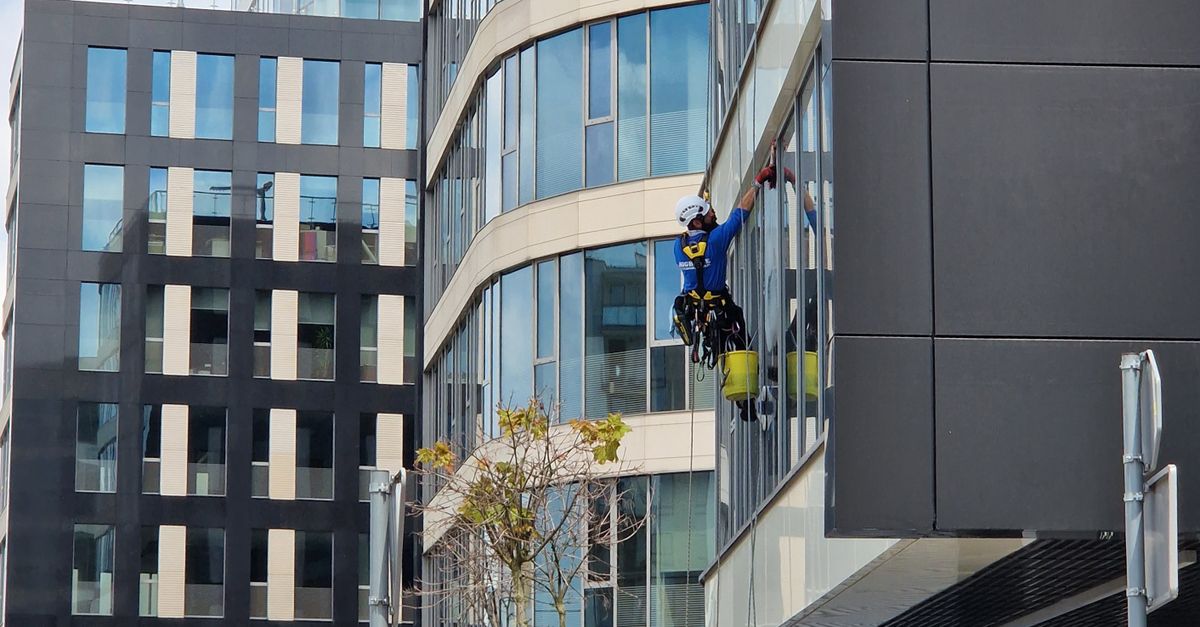
Advanced Techniques for Efficient High-Rise Window Cleaning
Table Of Contents
The Role of Water-Fed Poles
Water-fed poles have transformed the landscape of high-rise window cleaning by allowing operators to work safely from the ground. These poles are designed to deliver purified water through a brush attachment, enabling thorough cleaning without the need for ladders or scaffolding. This method is not only efficient but also reduces the risk associated with working at heights, a significant consideration in the industry.
The use of water-fed poles also promotes a cleaner finish. The purified water eliminates spots and streaks, which can occur when tap water dries on glass surfaces. With adjustable lengths and varying brush types, these poles can accommodate different building heights and window styles. Their versatility makes them an essential tool for modern window cleaning businesses aiming to provide high-quality service while maintaining safety standards.
Advantages of Using Water-Fed Systems
Water-fed systems revolutionise high-rise window cleaning by utilising purified water that reduces the need for chemical cleaners. This method not only promotes an eco-friendly approach but also ensures a streak-free finish. The advanced filtration process removes impurities from the water, allowing it to effectively lift dirt and grime from glass surfaces without leaving residues. As a result, windows remain cleaner for longer periods, minimising the need for frequent re-cleaning.
Another significant advantage lies in the safety of using water-fed poles, which can reach windows as high as several storeys without requiring harnesses or scaffolding. This reduces the risk involved in high-altitude work, protecting both workers and property. By combining height reach and the cleansing power of pure water, this system can streamline operations and increase efficiency, making window cleaning not only safer but also faster. This overall benefit translates into cost savings for both service providers and their clients.
Developing Efficient Cleaning Strategies
Effective window cleaning in high-rise environments often relies on a well-thought-out plan. Understanding the specific needs of a building can guide the creation of a tailored approach, incorporating factors such as the height of the structure, local weather conditions, and the types of contaminants typically found on the glass. Scheduling regular cleanings can prevent excessive grime buildup, making each job less arduous. Workers can focus on high-traffic areas first, ensuring that these spots receive attention more frequently, while less-visible locations can be cleaned on a more extended rotation.
Implementing a routine that balances efficiency with thoroughness plays a crucial role in overall productivity. Staff training is vital, as well-trained personnel will be adept at using equipment swiftly and safely. An effective strategy may involve dividing teams based on specialisation, with some focusing on detailed cleans, while others handle maintenance tasks. By continuously assessing and refining these strategies, cleaning companies can optimise their workflows and ensure a consistent quality of service across all projects.
Planning and Scheduling for Maximum Productivity
Effective planning and scheduling are essential for optimizing the productivity of high-rise window cleaning. By assessing the building's layout, environmental conditions, and team capabilities beforehand, a cleaning company can allocate resources efficiently. This includes determining the best times of day to undertake cleaning tasks, taking into account factors such as sunlight glare and weather patterns. Creating a detailed timeline also ensures that all team members are aligned on their responsibilities, which helps to minimise downtime and maximise output.
Utilising digital tools can enhance the scheduling process further. Software applications designed for project management can track progress in real time, enabling managers to adjust plans on-the-go as circumstances change. Incorporating feedback from the cleaning crew can help refine future schedules, allowing for a more tailored approach that considers the unique challenges of each building. By leveraging technology in this manner, teams can maintain a smoother operational flow, ultimately leading to improved productivity and client satisfaction.
Incorporating Technology in Window Cleaning
The introduction of technology into window cleaning has revolutionised traditional practices. Drones equipped with cameras can survey hard-to-reach areas with ease, allowing operators to identify issues before commencing cleaning. This aerial perspective enhances safety, as workers no longer need to rely solely on ladders or lifts for inspection. Additionally, robotic systems are being developed to autonomously clean windows. These innovative machines operate with precision, utilising advanced brushes and cleaning solutions that ensure thorough results.
Tech-savvy solutions are not limited to the cleaning process itself. Software applications help companies streamline their operations, providing features for scheduling, tracking, and quality control. Real-time data collection allows for better decision-making, as managers can analyse performance metrics to optimise workflows. Such technological advancements not only improve efficiency but also enhance the overall service quality provided to clients. Embracing these innovations supports businesses in staying competitive in the evolving window cleaning industry.
The Impact of Drones and Robotics
The integration of drones and robotics into high-rise window cleaning has introduced significant efficiencies. Drones equipped with cameras allow for detailed inspections of hard-to-reach areas. This technology aids in identifying problem spots before any cleaning begins. Robotics, on the other hand, can automate various cleaning tasks. These machines are designed to handle not only hard surfaces but also intricate architectural features.
Using drones can also minimise safety risks for workers. Traditional methods often involve harnesses and complicated scaffolding systems. Drones eliminate the need for personnel to work at extreme heights during inspections. Furthermore, robotic systems can operate in various weather conditions, ensuring consistent productivity. This technological advancement has the potential to transform the industry, offering a faster and more effective approach to maintaining building aesthetics.
FAQS
What are water-fed poles and how do they work in high-rise window cleaning?
Water-fed poles are long, extendable poles equipped with a brush and a system for delivering purified water. They work by using the water pressure to rinse and clean windows without the need for ladders or scaffolding, making them ideal for high-rise buildings.
What are the advantages of using water-fed systems for window cleaning?
The advantages include improved safety for cleaners, reduced water usage, and the ability to clean windows from the ground without requiring scaffolding. Furthermore, the purified water ensures a streak-free finish.
How can I develop efficient cleaning strategies for high-rise window cleaning?
Developing efficient cleaning strategies involves careful planning and scheduling, ensuring that the right tools and equipment are available, and training staff on best practices. Regular assessments and adjustments to the approach can further enhance productivity.
How does planning and scheduling impact productivity in window cleaning?
Effective planning and scheduling help to optimise the use of time and resources, allowing cleaners to complete jobs more quickly and efficiently. This can reduce downtime and ensure that jobs are carried out at the best times for weather and building occupancy.
What role do drones and robotics play in modern window cleaning?
Drones and robotics can significantly enhance high-rise window cleaning by providing aerial access for inspections and cleaning tasks. They can improve safety, reduce labour costs, and offer precise cleaning capabilities that are difficult to achieve with traditional methods.
Related Links
Selecting the Right Equipment for High-Rise Window Cleaning TasksBest Practices for Safe High-Rise Window Cleaning in Perth
Case Studies of Successful High-Rise Window Cleaning Projects
Maintenance Tips for Equipment Used in High-Rise Window Cleaning
Training Techniques for High-Rise Window Cleaning Professionals
Understanding Weather Impact on High-Rise Window Cleaning Schedules