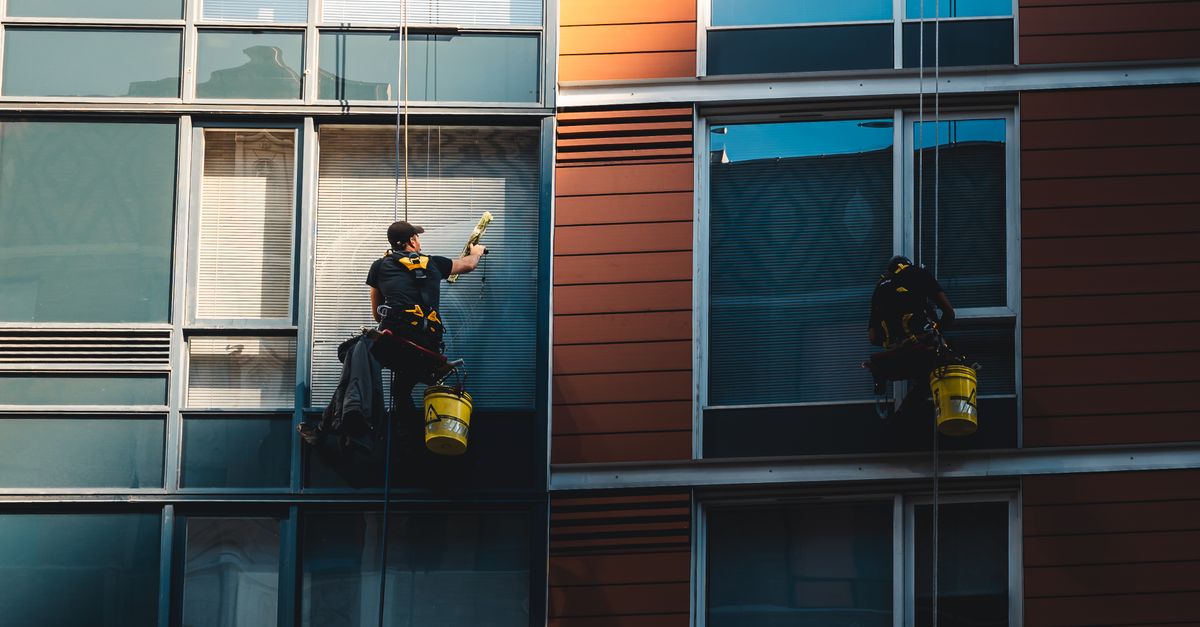
Comparing Rope Access vs. Crane Use for High-Rise Window Cleaning
Table Of Contents
Time Efficiency
In the realm of high-rise window cleaning, time efficiency can significantly impact both cost and overall project delivery. Rope access is often favoured for its ability to mobilise quickly, allowing technicians to reach windows without extensive setup. A well-trained team can be prepared and operational in a fraction of the time needed for cranes, making rope access especially advantageous for smaller buildings or locations with limited access.
Conversely, crane operation requires careful planning and safety measures, including extensive setup and teardown processes. Time is often lost during the arrival and positioning of the crane, in addition to the time spent waiting for clearance from local authorities. This can lead to prolonged job durations, particularly for larger cleaning projects. Therefore, while both methods have their merits, rope access tends to offer faster turnaround times compared to crane use, especially in urban environments where access and time are of the essence.
Speed of Operation for Each Method
Rope access systems typically offer a rapid setup and teardown process, allowing technicians to reach and clean windows quickly. These systems can usually be deployed in tighter spaces and require minimal setup time compared to cranes. The agility of rope access can lead to significant time savings, particularly in urban environments where overhead space may be limited.
In contrast, crane operations often involve more extensive logistical planning. The process includes securing permits, assembling the crane, and ensuring a safe work zone. Although cranes can cover larger areas and service multiple windows at once, their operational speed may be hindered by the need for intricate setup procedures and compliance with safety regulations. This can lead to longer overall downtime between operations, especially in metropolitan areas.
Environmental Impact
The environmental impact of cleaning high-rise windows is an important consideration when comparing the two methods. Rope access tends to have a smaller ecological footprint due to its minimal use of machinery and reduced energy consumption. The equipment used in rope access is generally lightweight, leading to lower emissions and less disruption to surrounding areas. This method allows for flexibility in accessing buildings without the need for extensive ground-level setup, which often involves heavy machinery.
In contrast, crane operations can have a more significant environmental footprint. The use of cranes often requires additional energy and resources, and they can generate noise pollution and obstruct public spaces during operation. Moreover, the transportation of cranes to the site can contribute to increased carbon emissions. The extraction and manufacturing of cranes also involve resource-intensive processes, which raises concerns about sustainability.
Sustainability of Rope Access versus Crane Use
Rope access methods typically have a smaller environmental footprint compared to crane use. The equipment required for rope access is often lightweight and portable, which allows for easier transport and reduced fuel consumption. This method makes it possible to reach high-rise windows without needing large machinery that may require significant fuel and resources for assembly and operation. Moreover, the impact on surrounding areas is notably minimal as there is less disruption to the urban landscape.
In contrast, crane operations generally involve more extensive machinery that not only consumes more fuel but also contributes to noise and air pollution during the setup and operation phases. Cranes may require additional ground space and can obstruct public areas, leading to potential issues with community disruption. Furthermore, the increased demand for materials and resources in the construction and installation of cranes can add to their overall environmental impact, making rope access the more sustainable option for window cleaning on skyscrapers.
Training and Certification Requirements
Rope access technicians must undergo rigorous training to ensure their safety and proficiency in the field. Initial training typically involves completing a course recognised by the relevant safety authorities. These courses cover various aspects, including equipment usage, safety procedures, and rescue techniques. Participants usually need to demonstrate their competence through practical assessments before receiving certification.
In contrast, crane operators face a different set of training requirements. They often require a specific licence to operate cranes, which entails both theoretical knowledge and practical experience. This training may vary depending on the crane type and operational guidelines set by local regulations. Operators must also be familiar with safety protocols and maintenance checks, ensuring the machinery functions correctly and safely throughout its operation.
Skills Needed for Rope Access Technicians and Crane Operators
Rope access technicians must possess strong climbing skills and a keen understanding of safety protocols. These professionals need to familiarise themselves with various harness systems, rope knots, and techniques for working at heights. Proper training is critical, as they often operate in unpredictable environments. The ability to assess risks quickly and communicate effectively with team members enhances overall safety during operations.
Crane operators require a different skill set, primarily centred around machinery operation. They must have extensive knowledge of crane mechanics and maintenance. Certification from recognised training programs is essential, ensuring that operators are equipped to manage different types of cranes. They also need to demonstrate proficiency in aerial manoeuvres and load management to ensure safety on site. Attention to detail is vital, as operators must constantly consider factors such as weight limits and weather conditions.
FAQS
What are the main advantages of using rope access for high-rise window cleaning?
Rope access is often more time-efficient, allows for greater flexibility in accessing hard-to-reach areas, and can have a lower environmental impact due to less equipment being used.
How does crane use compare to rope access in terms of speed of operation?
Crane use can be quicker for reaching higher elevations, but it may require more setup time and coordination, whereas rope access can be deployed quickly with minimal equipment.
What environmental considerations should be taken into account when choosing between rope access and crane use?
Rope access generally has a smaller carbon footprint and uses fewer materials than cranes, making it a more sustainable option in many cases.
What kind of training is required for rope access technicians?
Rope access technicians must undergo specific training and certification that focuses on safety procedures, equipment handling, and rescue techniques, ensuring they can work effectively at heights.
Are crane operators subject to different certification requirements compared to rope access technicians?
Yes, crane operators must meet their own set of training and certification standards that focus on operating the machinery safely, understanding load limits, and ensuring compliance with relevant regulations.
Related Links
The Importance of Regular High-Rise Window MaintenanceBest Practices for High-Rise Window Cleaning in Perth
Factors Influencing Costs of High-Rise Window Cleaning in Perth
High-Rise Window Cleaning: Compliance with Local Regulations
How Weather Conditions Affect High-Rise Window Cleaning
Choosing the Right Company for High-Rise Window Cleaning
Essential Equipment for Efficient High-Rise Window Cleaning