Navigating Safety Compliance in Commercial Window Cleaning Projects
Table Of Contents
Equipment Safety Standards
Ensuring that all equipment used in commercial window cleaning meets safety standards is essential for worker protection and operational efficiency. The equipment should be regularly inspected and maintained to prevent malfunction and potential hazards. Appropriate certification labels should be present on all machinery, indicating compliance with Australian safety regulations. Proper training on the use of equipment must also be provided to ensure personnel are familiar with its safe operation and limitations.
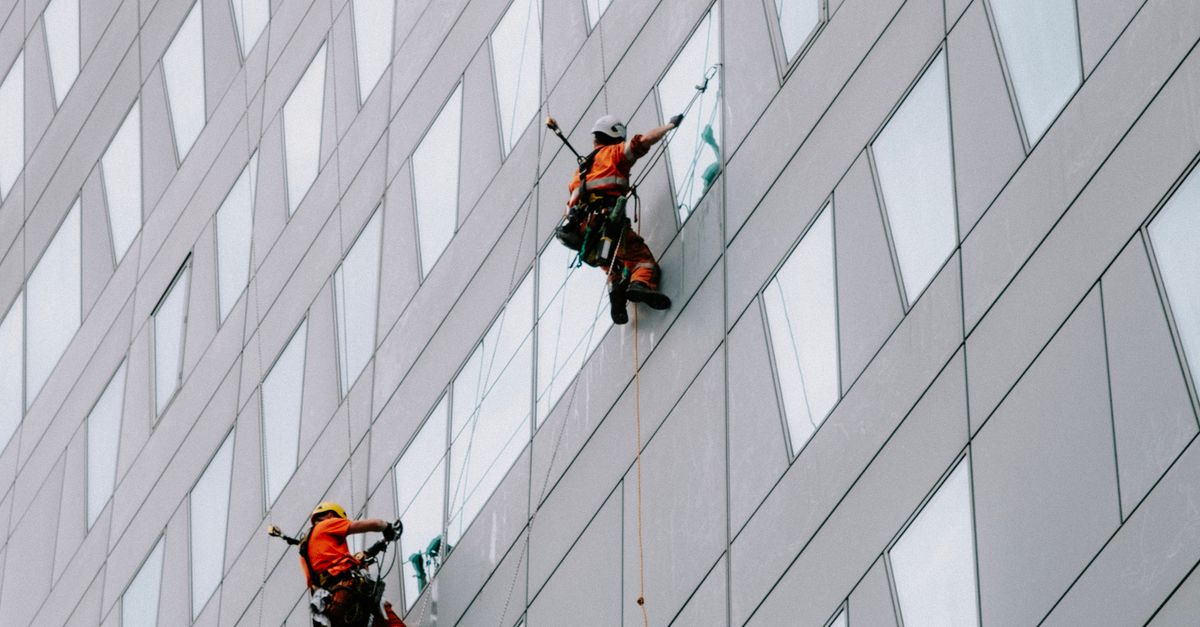
Utilising appropriate personal protective equipment (PPE) is critical in mitigating risks associated with window cleaning tasks. Hard hats, gloves, and non-slip footwear are fundamental components of a comprehensive safety strategy. Harnesses and other fall protection systems must be used when working from heights to safeguard against accidental falls. Regular training sessions should be conducted to educate workers on the correct use of PPE, reinforcing the importance of safety at all levels of the operation.
Guidelines for Ladders and Scaffolds
When using ladders and scaffolds for window cleaning, selecting the right type of equipment for the job is essential. Ladders must be stable and well-maintained, with a focus on load capacity and height requirements. Scaffolds, whether mobile or stationary, should comply with Australian standards and be set up on stable ground. Regular checks on the structural integrity of both ladders and scaffolds can prevent accidents, ensuring that all components are in good condition and free from wear and tear.
User safety should be a paramount concern during equipment use. Proper training on ladder and scaffold usage can significantly reduce risks associated with falls and other hazards. It is crucial to follow manufacturer guidelines regarding setup and weight distribution. Personal protective equipment, such as safety harnesses and helmets, should also be worn, as they add a layer of safety when working at heights. Ensuring that these guidelines are followed can create a safer work environment for all personnel involved in the window cleaning process.
Emergency Procedures and Protocols
Having well-defined emergency procedures is vital for ensuring the safety of workers during commercial window cleaning projects. These procedures should encompass various scenarios that could occur on-site, from minor accidents to significant emergencies. Clear communication protocols must be established so that all team members understand their roles in the event of an incident. Regular drills will help to reinforce these protocols, allowing team members to respond swiftly and effectively under pressure.
Preparation also requires the availability of essential first-aid kits and safety equipment on-site. Workers must be trained to use these tools correctly, ensuring that everyone feels confident in their ability to act during an emergency. It is equally essential to establish contact with local emergency services, ensuring they are aware of the location and nature of the work being conducted. Regular reviews and updates to these emergency procedures will help adapt to any changes in project scope or site conditions, ultimately enhancing overall safety compliance.
Responding to Accidents and Incidents
Accidents can occur despite the most stringent safety protocols. Immediate response to any incident is crucial to ensuring the wellbeing of all personnel involved. First aid should be administered as per the training received by staff. It's also important to keep emergency contact numbers readily accessible. This information should include medical services, poison control, and internal management contacts. All workers must be familiar with their roles during emergencies, which helps streamline responses and mitigate risks.
Following an incident, thorough documentation is essential. Each case should be logged with details including the nature of the accident, response actions taken, and any injuries sustained. This documentation not only aids in understanding the event's circumstances but also contributes to future prevention strategies. A debriefing session for all involved can be beneficial, allowing for an exchange of insights that can enhance safety protocols. Regularly revisiting and updating these procedures reinforces a culture of safety within the organisation.
Regular Safety Audits and Inspections
Conducting regular safety audits and inspections is vital in maintaining compliance with safety standards in commercial window cleaning projects. These audits help identify potential hazards before they escalate into serious incidents. By systematically evaluating equipment, workflows, and the overall work environment, organisations can pinpoint areas needing improvement and implement necessary corrective actions. Regular inspections also ensure that all safety measures are being followed, fostering a culture of safety consciousness among the workforce.
Implementing a schedule for safety audits promotes ongoing vigilance and adherence to regulations. Training staff to participate in these audits enhances their understanding of safety protocols and empowers them to take responsibility for their own safety and that of their peers. Furthermore, documented findings from these audits serve as a crucial record, proving commitment to safety compliance to clients and regulatory bodies alike. Regular audits not only contribute to a safer workplace but also help in building trust with clients through demonstrated diligence in safety practices.
Importance of Ongoing Compliance Checks
Regular safety audits are essential for ensuring that window cleaning practices remain compliant with industry standards. These checks serve as a proactive approach to identify potential hazards before they result in accidents. By consistently reviewing equipment, procedures, and personnel training, businesses can maintain a safer work environment. This not only protects employees but also enhances the overall reputation of the company.
Ongoing compliance checks also help to reinforce a culture of safety within the organisation. Staff members feel more confident when they know that their workplace prioritises safety. Regular evaluations encourage open communication about safety concerns and foster an atmosphere that values continuous improvement. Additionally, it prepares teams to adapt to evolving regulations within the industry, ensuring that compliance remains a seamless aspect of daily operations.
FAQS
What are the primary equipment safety standards for commercial window cleaning?
The primary equipment safety standards include ensuring that all tools and equipment are compliant with Australian safety regulations, regularly maintained, and inspected for any wear or damage. This includes harnesses, ropes, ladders, and scaffolding.
What guidelines should be followed when using ladders and scaffolds?
When using ladders and scaffolds, it is essential to ensure they are set up on stable surfaces, are at the correct angle, and are inspected for defects before use. Only qualified personnel should use these structures, and proper safety gear must be worn.
What should be included in emergency procedures for window cleaning projects?
Emergency procedures should include clear protocols for evacuating the site, contacting emergency services, and providing first aid. Regular training sessions for all staff on these procedures are also crucial to ensure everyone knows how to respond effectively in an emergency.
How should accidents and incidents be reported and managed?
Accidents and incidents should be reported immediately to a supervisor, documented in detail, and investigated to determine the cause. This helps in understanding what went wrong and in taking steps to prevent similar occurrences in the future.
Why are regular safety audits and inspections important in window cleaning?
Regular safety audits and inspections are vital to ensure ongoing compliance with safety standards, identify potential hazards, and improve safety practices. This proactive approach helps to minimise risks and enhances the overall safety culture within the organisation.
Related Links
Techniques for Securely Anchoring Equipment During Window CleaningComprehensive Safety Training Programs for Window Cleaning Staff
Innovative Fall Arrest Systems for High-Rise Window Cleaning Professionals
Understanding the Role of Safety Railings in Window Cleaning Safety
The Importance of Personal Protective Equipment in Window Cleaning
Conducting Risk Assessments for High-Level Window Cleaning
Essential Fall Protection Equipment for Window Cleaning Technicians
Evaluating the Effectiveness of Safety Nets in High-Rise Window Cleaning
Best Practices for Harness Usage in Window Cleaning Operations