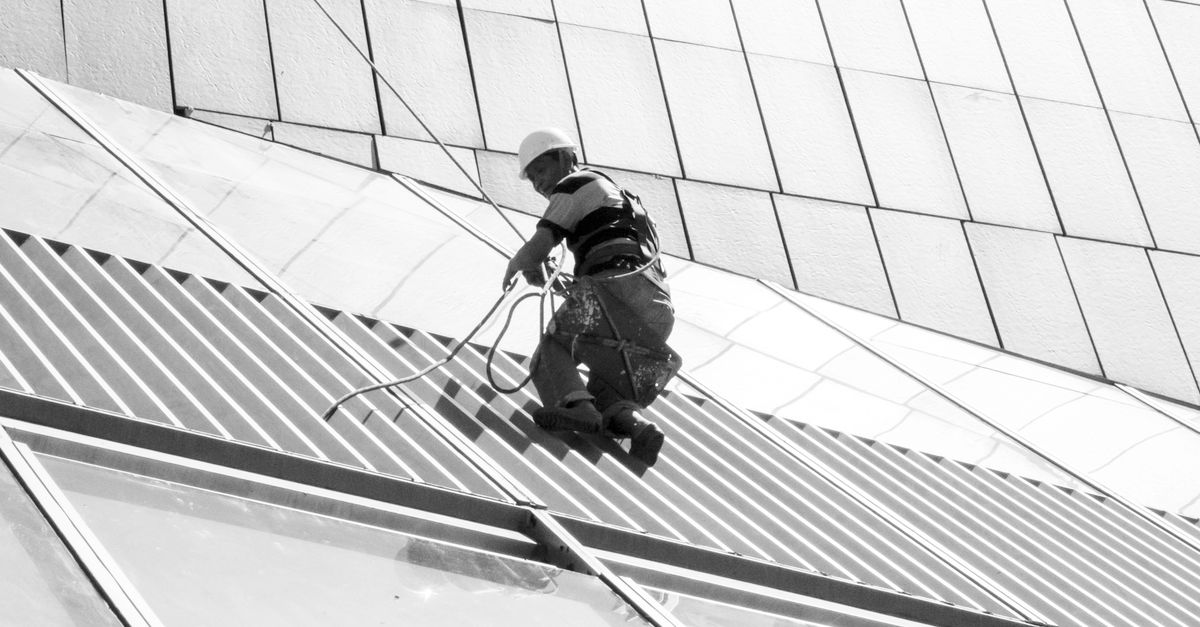
The Importance of Personal Protective Equipment in Window Cleaning Safety
Table Of Contents
Training Workers on PPE Usage
Providing thorough training on personal protective equipment (PPE) is essential for ensuring the safety of workers. New employees must understand the purpose and proper usage of each piece of equipment they will wear. Including hands-on demonstrations during training can enhance comprehension. Engaging workers with scenarios that simulate real-life situations fosters confidence and reinforces the importance of PPE in preventing accidents.
Regular refresher courses should be part of the ongoing training program. As equipment and safety standards evolve, staying updated is crucial for maintaining a safe work environment. Workers should feel comfortable addressing any concerns regarding their PPE. An open dialogue can help identify potential hazards and improve adherence to safety practices. This collaborative approach ultimately promotes a culture of safety within the workplace.
Effective Safety Training Techniques
Training sessions should incorporate hands-on practice to reinforce the proper use of personal protective equipment. Simulated scenarios can help workers understand real-world applications and the importance of using PPE correctly. This approach fosters an environment where employees feel comfortable asking questions and clarifying doubts. Visual aids, such as videos or infographics, can also be beneficial in illustrating potential hazards and demonstrating the effective use of safety gear.
Regular refresher courses can keep safety knowledge current and highlight any changes in regulations or equipment. Encouraging open discussions about safety experiences can allow team members to share insights and learn from one another. Assessing knowledge through quizzes or practical demonstrations can gauge the effectiveness of training initiatives. This comprehensive strategy not only boosts individual confidence but also enhances overall workplace safety culture.
Compliance with Safety Regulations
Maintaining compliance with safety regulations is vital for any window cleaning operation. Following established guidelines helps to ensure a safe working environment for employees. In Australia, organisations must adhere to specific safety standards that dictate the use of personal protective equipment (PPE). These regulations are designed to reduce risks associated with falls, exposure to hazardous substances, and other workplace dangers.
Understanding and implementing these regulations not only protects workers but also minimises legal liabilities for companies. Continuous review of safety policies and regular training sessions contribute to compliance efforts. By fostering a culture of safety, businesses can promote awareness and accountability among their teams, which ultimately enhances the overall effectiveness of safety measures in the field.
Understanding Australian Safety Standards
Australia’s workplace safety regulations incorporate a detailed approach to Personal Protective Equipment (PPE). Compliance is not merely a suggestion; it is a legal requirement aimed at ensuring the wellbeing of workers. The Australian Standards (AS) outline the minimum performance criteria for various types of PPE including harnesses, helmets, and eye protection. These standards emphasise the importance of proper fit, maintenance, and suitability for specific tasks, which ultimately affects the overall safety and effectiveness of the equipment used in industries such as window cleaning.
In addition to the national standards, each state and territory may have specific regulations that align with broader safety objectives. Understanding these local laws is vital for businesses operating in different regions. Employers are responsible for educating their staff about these standards and ensuring adherence through regular audits and safety briefings. This attention to detail not only helps in compliance but also fosters a culture of safety within the workforce, encouraging workers to take their roles in maintaining a safe environment seriously.
The Impact of PPE on Job Performance
Wearing appropriate personal protective equipment (PPE) can significantly influence how workers approach their tasks in window cleaning. When team members feel secure due to the protective gear, their focus often shifts back to the job at hand. This sense of security can lead to greater confidence while performing their duties, allowing workers to fully engage in their tasks without the distraction of potential hazards.
Moreover, the effective use of PPE may enhance overall productivity. Workers equipped with the right safety gear are less likely to experience accidents or injuries, which can lead to reduced downtime. By minimising disruptions and maintaining efficiency, the use of PPE ultimately contributes to a smoother workflow and better job performance, ensuring that projects are completed on time and to a high standard.
Enhancing Efficiency through Safety Gear
The right personal protective equipment (PPE) significantly enhances a window cleaner's efficiency by providing essential safeguards against potential hazards. When workers wear appropriate gear such as harnesses, gloves, and eye protection, they can focus on their tasks without the constant worry of accidents or injuries. This assurance allows for smoother operations and less downtime, as employees are less likely to experience injuries that would require time off or lead to increased insurance claims.
Moreover, PPE contributes to improved job performance by enabling window cleaners to adopt more efficient techniques. For instance, the use of ergonomic harnesses can facilitate better mobility while working at heights. When workers feel secure, they are likely to take on tasks with greater confidence, leading to quicker completion times and a boost in overall productivity. This combination of safety and efficiency creates a more positive work environment, ultimately benefiting both employees and employers alike.
FAQS
What is Personal Protective Equipment (PPE) in window cleaning?
Personal Protective Equipment (PPE) in window cleaning refers to various gear and clothing designed to protect workers from hazards associated with the job, such as falls, cuts, and chemical exposure. Common PPE includes harnesses, helmets, gloves, and safety goggles.
Why is training on PPE usage important for window cleaners?
Training on PPE usage is essential to ensure that workers understand how to properly wear, maintain, and use their protective gear. This training helps reduce the risk of accidents and injuries, promotes compliance with safety regulations, and enhances overall job performance.
What are the key Australian safety standards related to window cleaning?
Key Australian safety standards related to window cleaning include the Work Health and Safety Act and the AS/NZS 1891 standards for fall protection systems. These regulations outline the necessary requirements for safety equipment and practices to ensure worker safety.
How does PPE impact job performance in window cleaning?
PPE can significantly enhance job performance in window cleaning by increasing worker confidence and safety. When workers feel protected, they can focus more on their tasks, leading to improved efficiency and productivity.
What are some effective safety training techniques for PPE usage?
Effective safety training techniques for PPE usage include hands-on demonstrations, interactive workshops, and regular safety drills. Providing visual aids, such as videos and infographics, can also reinforce learning and help workers remember proper procedures.
Related Links
Creating a Culture of Safety in the Commercial Window Cleaning SectorTraining Requirements for Occupational Health and Safety in Window Cleaning
Managing Hazards in Commercial Window Cleaning Environments
Risk Assessment Protocols for Occupational Safety in Window Cleaning
The Role of Safety Audits in Window Cleaning Businesses
Compliance Checklists for Occupational Health and Safety in the Window Cleaning Industry
Best Practices for Ensuring Worker Safety in High-Rise Window Cleaning Operations
Key Health and Safety Regulations for Commercial Window Cleaning Services in Perth
Understanding the Legal Framework for Occupational Health and Safety in Window Cleaning