How to Prepare Windows for Post-Construction Cleaning
Table Of Contents
Dusting High Surfaces
During post-construction cleaning, tackling high surfaces can be a daunting task. Dust and debris often accumulate on shelves, light fixtures, and ceiling corners. Using a sturdy step ladder allows for safe access to these elevated areas. A microfiber cloth attached to an extendable pole can effectively capture dust without scattering it further into the air. It is essential to wear appropriate safety gear, such as a dust mask and goggles, to protect against inhaling any residual particles.
It is advisable to start dusting from the highest points in the room and gradually work downwards. This method prevents dust from falling onto surfaces that have already been cleaned. Pay close attention to light fittings, fans, and crown moulding where dust tends to cling. For the most stubborn residue, a damp cloth may be necessary; however, care should be taken to avoid moisture damage on certain surfaces. Regular dusting not only enhances cleanliness but also helps maintain the overall appearance of the space.
Techniques for Hard-to-Reach Areas
When tackling high or awkwardly positioned surfaces, employing extension tools can significantly ease the burden of cleaning. Extension poles fitted with microfiber cloths or soft brushes offer a practical solution for accessing elevated areas without the need for a ladder. Using these tools helps capture dust and debris while reducing the risk of accidents. For particularly stubborn spots, consider attaching a sponge or scraper to the pole, ensuring to maintain a gentle touch to avoid damaging painted or textured surfaces.
In cases where surfaces are too high or inaccessible, using a vacuum cleaner with a hose attachment can be an effective alternative. Many vacuums come with specialized attachments designed for cleaning corners, ceilings, and tight spaces. This method not only removes dust but also prevents the need for excessive wiping, which can potentially stir up more particles into the air. Additionally, a step stool may provide added reach and stability for those tricky spots, allowing for more thorough and efficient cleaning.
Cleaning Windows and Glass
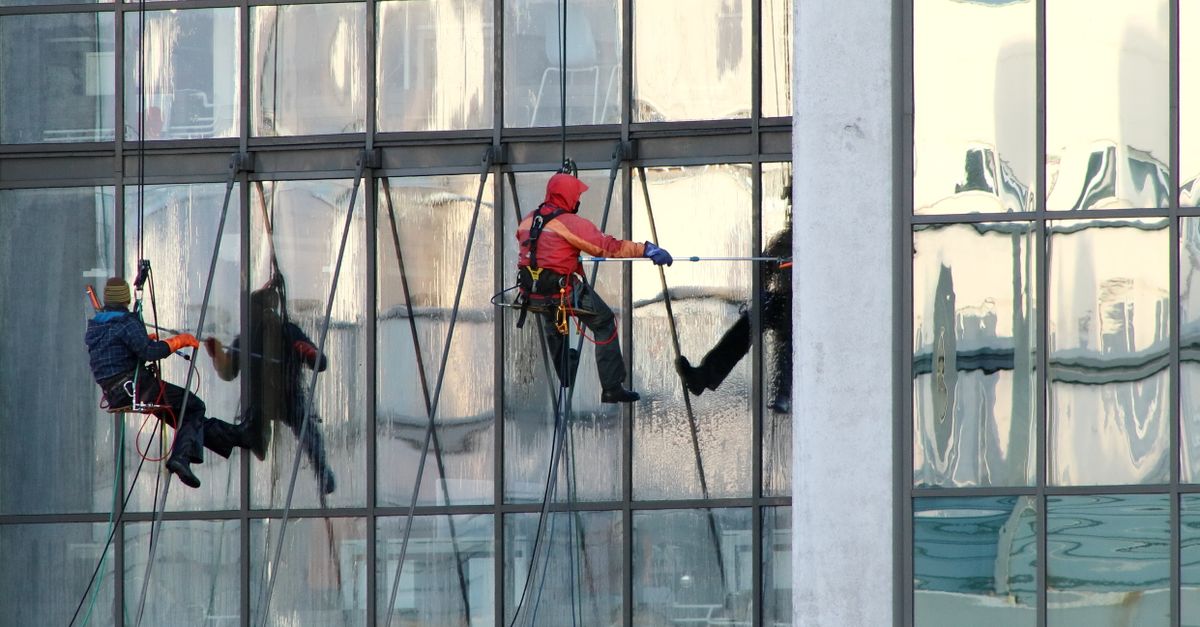
Spotless windows enhance the overall appearance of a space following construction. Start by removing any protective films or coverings placed during the building process. Use a soft brush or vacuum attachment to eliminate dust and debris that may have settled in the corners or edges of the windows. This step helps prevent scratching the glass during the cleaning process.
When it comes to cleaning the glass itself, selecting the right cleaning solution is crucial. Using a mixture of water and vinegar can effectively cut through grime without leaving streaks. Alternatively, commercial window cleaners may offer convenience and quick results. Apply the solution with a microfiber cloth or a squeegee, ensuring each pane is cleaned thoroughly for a crystal-clear finish.
Choosing the Right Cleaning Solutions
Selecting appropriate cleaning solutions is crucial for effectively dealing with post-construction residues. Products formulated specifically for construction clean-up tend to offer stronger results against stubborn dust and grime. Look for solutions that can tackle a variety of surfaces including glass, metal, and painted walls. Eco-friendly options are also available. These not only minimise harmful chemical exposure but are gentle on the environment and surfaces alike.
Always read labels to understand the specific application instructions, dilution ratios, and drying times. Consider factors such as the type of residue you're dealing with, whether it is adhesive, dust, or paint overspray. pH-neutral cleaners can be particularly effective on delicate surfaces. Ensure you have the right tools, like microfiber cloths and non-abrasive pads, to maximise the effectiveness of your chosen products while preventing damage.
Addressing Wall and Ceiling Residue
Construction work often leaves behind a variety of residues on walls and ceilings. Dust, paint splatters, and adhesive marks can accumulate, creating an unsightly appearance. To tackle these issues effectively, a methodical approach is essential. Begin with a dry dusting using a microfibre cloth or a duster to remove loose particles. For more stubborn stains, a gentle detergent solution applied with a soft sponge can help lift residual materials without damaging the surface.
After addressing the initial debris, inspect for any remaining marks or discolouration. For areas affected by paint splatters, a dedicated paint remover or a solvent may be necessary. It’s important to test any cleaning solution on a small, inconspicuous area first to ensure compatibility with the wall material. Using a soft-bristle brush can also aid in getting into crevices. Always work in a systematic manner, starting from the top and moving downwards to avoid reintroducing dust onto already cleaned surfaces.
Effective Methods for Wall Cleaning
Walls often accumulate dust and grime during construction, necessitating a thorough cleaning to restore their appearance. A vacuum equipped with a brush attachment can effectively remove surface dust. For tougher stains or marks, a damp microfiber cloth works wonders, gently lifting dirt without damaging the paint. Always test any cleaning solution on a discreet area first to ensure it won't adversely affect the wall finish.
Using the right technique is essential to prevent streaks and damage. A mild detergent mixed with warm water can be an effective cleaning solution for most painted walls. Apply the mixture with a sponge or cloth, making sure to work from the bottom up to avoid running streaks. Rinse the cloth regularly and change the cleaning solution as it becomes dirty. For textured walls, consider using a soft-bristled brush to reach into crevices.
FAQS
What should I do before starting post-construction cleaning on windows?
Before starting, ensure you remove any large debris from the window sills and frames, and cover any surfaces nearby to protect them from cleaning solutions and dust.
What are the best techniques for dusting high surfaces?
Use a microfiber cloth or a dusting wand with an extendable handle. This allows you to reach high areas safely and effectively while trapping dust without scattering it.
How can I effectively clean windows and glass after construction?
Start by rinsing the windows with water to remove loose dirt and dust. Then use a suitable glass cleaner and a microfiber cloth or squeegee for a streak-free finish.
What cleaning solutions are recommended for post-construction cleaning?
Look for non-toxic, biodegradable cleaning solutions specifically designed for glass surfaces. Avoid harsh chemicals that can damage the window's finish or surrounding surfaces.
How should I address wall and ceiling residue left from construction?
Use a damp cloth or sponge with a mild soap solution for most residues. For stubborn stains, consider using a gentler abrasive cleaner, but test it on a small area first to avoid damage.
Related Links
Cost Factors in Post-Construction Window Cleaning ServicesChallenges Faced in Post-Construction Window Cleaning and Solutions
Safety Protocols for Post-Construction Window Cleaning Teams
The Role of Window Cleaning in Finalising Construction Projects
Key Considerations for Timing Your Post-Construction Window Cleaning
Understanding the Importance of Post-Construction Window Cleaning
Best Practices for Ensuring a Streak-Free Finish After Construction