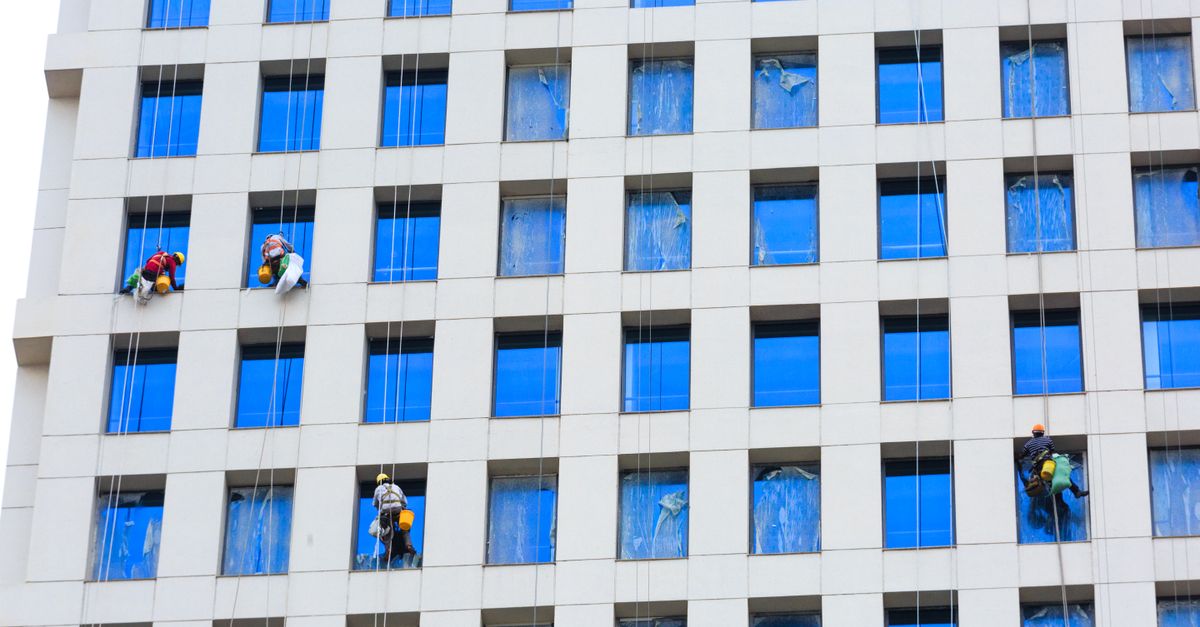
Safety Protocols for Post-Construction Window Cleaning Teams
Table Of Contents
Equipment Safety and Maintenance
Safety in window cleaning begins with ensuring that all equipment is regularly inspected and well-maintained. It's vital that tools such as ladders, harnesses, and cleaning apparatus meet safety standards and are free from defects. Regular checks should include examining ropes for frays, ensuring that ladder locking mechanisms function correctly, and testing vacuum systems for leaks. Keeping maintenance logs can help teams track the condition of their gear and schedule necessary repairs or replacements before any job.
Implementing proper storage practices for equipment also plays a crucial role in safety. Tools should be stored in a clean, dry area to prevent deterioration. When transporting equipment, securing it properly in vehicles can reduce the risk of accidents during transit. Training team members on how to handle and care for equipment not only extends its lifespan but also ensures that everyone is familiar with its operation, thereby enhancing overall workplace safety.
Ensuring Tools and Gear are Up to Standard
Regular inspections are vital for ensuring that all tools and equipment used by window cleaning teams meet industry standards. Each piece of gear should be checked for wear and tear, with particular attention paid to harnesses, ropes, and ladders. Any damaged items must be repaired or replaced promptly to avoid compromising safety during operations. Teams should maintain an inventory of equipment, with each item documented and its condition regularly assessed.
Training personnel on the correct use of tools is equally important. Staff should receive thorough instructions on the proper techniques for handling and operating equipment. It is essential to equip them with knowledge about identifying potential hazards associated with their gear. By fostering a culture of safety and responsibility, window cleaning teams can mitigate risks and enhance the overall integrity of their operations.
Emergency Procedures and First Aid
Immediate response to accidents is crucial in ensuring the safety of all team members. Each worker should be familiar with the location of first aid kits and any emergency equipment available on-site. Regular training sessions should be conducted to keep everyone updated on the correct procedures to follow in case of an incident. Clear communication channels must be established so team members can quickly report injuries or emergencies to supervisors.
Basic first aid knowledge is essential for all team members, even if a designated first aid officer is present. This can include understanding how to treat minor injuries, recognising signs of more serious conditions, and administering CPR if necessary. Teams should also hold drills to practice these procedures, enhancing preparedness for unexpected situations while fostering a culture of safety on the job.
Preparing for Accidents and Injuries
Accidents can occur unexpectedly, making it crucial for window cleaning teams to be well-prepared for any injuries that may arise. Each team member should know emergency procedures and understand their roles during an incident. Regular training sessions focused on first aid can ensure all workers are familiar with basic techniques. Having a well-equipped first aid kit readily available on-site adds an extra layer of safety and should be checked regularly to ensure it contains all necessary items.
Creating an environment where workers feel safe to report near misses or minor injuries is essential for fostering a proactive safety culture. Encouraging open communication can lead to identifying potential hazards before they escalate into serious issues. Implementing regular safety audits can ensure compliance with established protocols. Ensuring that all employees are aware of evacuation routes and emergency contacts further contributes to a well-rounded plan for dealing with accidents as they occur in the field.
Environmental Considerations
Cleaning professionals must be mindful of the ecological footprint their activities may have. Utilising biodegradable and non-toxic cleaning solutions is paramount to prevent harmful substances from seeping into local waterways or affecting the surrounding flora and fauna. Choosing environmentally friendly products reduces adverse effects while ensuring windows are cleaned effectively.
Proper waste disposal is equally important in minimising environmental impact. Teams should collect and dispose of waste materials responsibly, ensuring to recycle when possible. Implementing strategies for water conservation, such as using reclaim systems, can help reduce water usage during cleaning activities. By taking these steps, cleaning teams contribute to a sustainable approach while maintaining safety and efficiency.
Minimising Impact During Window Cleaning
Window cleaning teams must consider the environment while performing their tasks. Using eco-friendly cleaning agents is essential to reduce chemical runoff into nearby soil and water sources. Implementing techniques that minimise water usage not only conserves this precious resource but also decreases the likelihood of environmental damage. Proper containment of waste materials and ensuring they are disposed of correctly is equally important in maintaining the integrity of the surrounding area.
Another key factor is the management of noise pollution during operations. Teams should aim to schedule work during hours that will cause the least disruption to nearby residents or businesses. Adopting quieter equipment and employing efficient cleaning methods can further lessen the noise generated on-site. Being mindful of local wildlife habitats is crucial, as their disruption can have lasting effects. All efforts contribute to a responsible approach to window cleaning that respects both the community and the environment.
FAQS
What safety equipment is essential for window cleaning teams after construction?
Essential safety equipment includes harnesses, hard hats, gloves, safety goggles, and non-slip footwear to protect workers from potential hazards.
How often should cleaning tools and gear be inspected?
Cleaning tools and gear should be inspected before each use and maintained regularly to ensure they meet safety standards and are in good working condition.
What should a team do in case of an emergency while cleaning windows?
In case of an emergency, the team should follow their established emergency procedures, which typically include notifying a supervisor, calling for medical assistance, and ensuring the safety of all team members.
How can window cleaning teams prepare for potential accidents?
Teams can prepare for potential accidents by conducting safety training, maintaining a well-stocked first aid kit, and having a clear emergency response plan in place.
What environmental considerations should window cleaning teams take into account?
Teams should minimise environmental impact by using eco-friendly cleaning products, managing waste properly, and implementing measures to prevent water runoff and contamination during the cleaning process.
Related Links
The Role of Window Cleaning in Finalising Construction ProjectsEffective Strategies for Post-Construction Window Cleaning in Perth
Cost Factors in Post-Construction Window Cleaning Services
How to Prepare Windows for Post-Construction Cleaning
Challenges Faced in Post-Construction Window Cleaning and Solutions
Key Considerations for Timing Your Post-Construction Window Cleaning